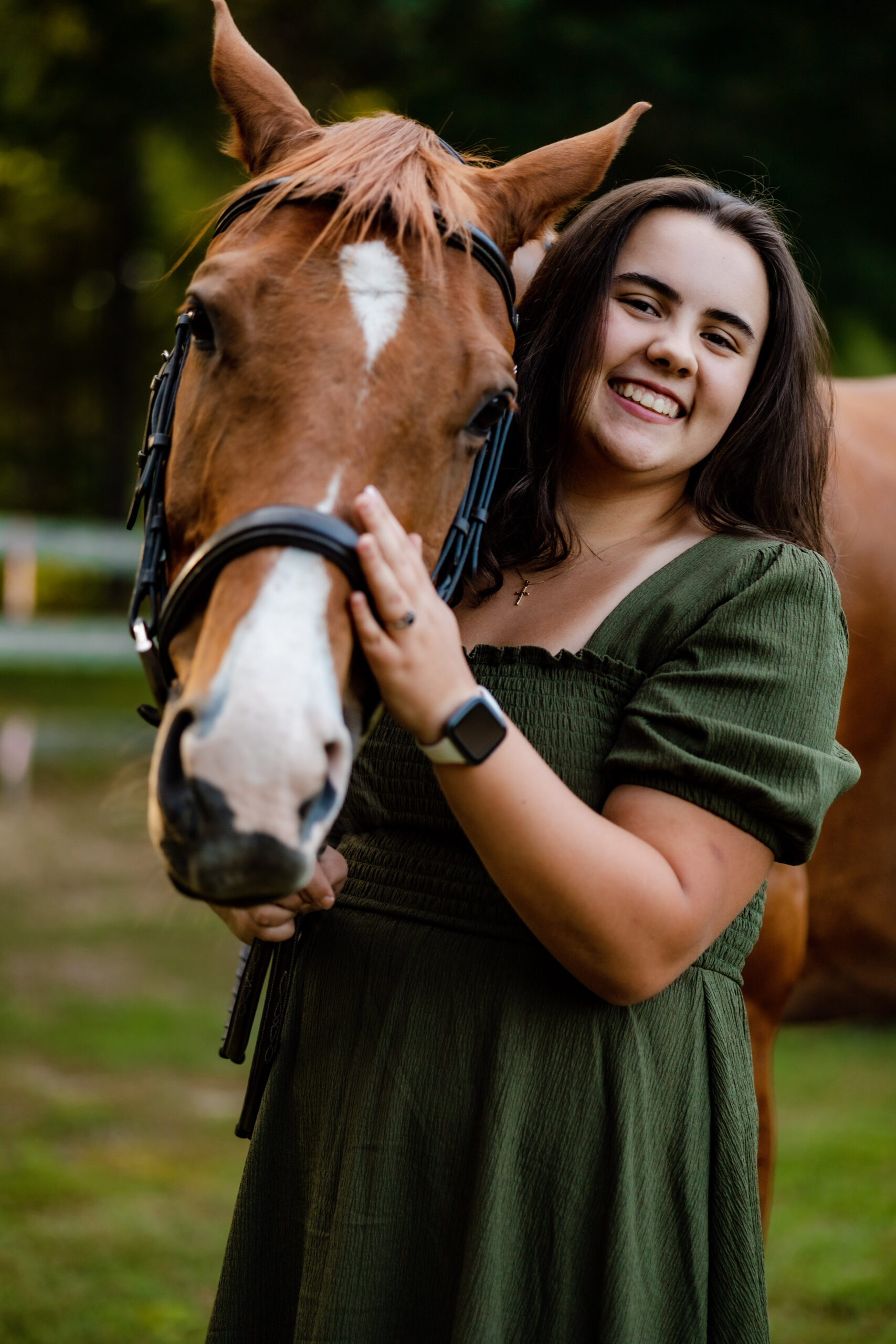
Author: kyraleahelms@gmail.com

  • When Your Hobby Turns Into Your Portfolio

    One of the most unexpected parts of working in social media and freelance marketing is realizing that things I once did just for fun have slowly turned into part of my professional portfolio. Photography, content creation, and even scrolling through social media used to feel purely like hobbies. Now, they are skills that help me build brands, connect with audiences, and create meaningful content for businesses.

    Before I started working professionally in marketing and social media, I didn’t necessarily think about content the way I do now. I would take photos because I liked the moment, post something because it looked good, or share a video because it felt fun and creative. There wasn’t much strategy behind it. However, once I started managing social media accounts and creating content for brands, I began to see things differently. Every post, photo, or caption now has a purpose. It’s not just about aesthetics—it’s about communication, branding, and audience engagement.

    One thing I’ve noticed is that my perspective has changed when I’m creating content in everyday life. I might notice lighting in a room, an interesting background, or a moment that could make a great photo. I’ll catch myself thinking about how a certain angle would look on Instagram or how a video clip could be used for a reel. In a way, my brain is constantly in ā€œcontent mode,ā€ even when I’m not technically working.

    At the same time, I’ve learned that this shift isn’t necessarily a bad thing. Turning hobbies into professional skills has helped me develop a deeper understanding of content creation and storytelling. The creativity that started as something casual has grown into something that supports my career and helps me connect with brands and audiences.

    However, I’ve also realized that it’s important to keep some of that original enjoyment. When something you love becomes part of your job, it can be easy to start viewing it only through a professional lens. I try to remind myself that the creativity and curiosity I had when I first started creating content are still valuable. Those instincts often lead to the most authentic and engaging ideas.

    Working in freelance marketing has shown me that many professional skills actually start as hobbies. The difference is learning how to refine those interests, apply strategy, and present them in a way that provides value to others. What once felt like casual creativity can become a powerful tool when combined with intention and purpose.

    Looking back, it’s interesting to see how naturally that transition can happen. Something that once felt like a simple hobby can slowly evolve into a skill set that helps shape a career. For me, content creation started as something I enjoyed doing in my free time, and now it’s become one of the most important parts of the work I do every day.
  • Finding the Balance: Keeping My Creative Style While Adapting to a Brand

    One of the most interesting challenges I’ve encountered while working in social media and freelance marketing is learning how to balance my own creative style with the style of the brands I work with. As a content creator, I naturally develop certain preferences in how I photograph, edit, write captions, and design posts. Over time, those preferences turn into a recognizable style. However, when working with different companies, I’ve learned that my job is not just to create content that looks good—it’s to create content that represents their brand.

    When I first started creating content professionally, I approached projects the same way I approached my personal work. I had a certain way I liked to edit photos, frame shots, and design graphics. While that worked well for building my portfolio, I quickly realized that every brand has its own personality, audience, and visual identity. What works perfectly for one company might not match another brand’s voice at all. Learning to recognize and respect those differences has been a huge part of growing as a freelancer.

    Before creating content for a brand, I’ve learned that it is important to study their existing style. This includes looking at the colors they use, the tone of their captions, the type of imagery they post, and the audience they are trying to reach. Some brands prefer a clean and polished aesthetic, while others lean toward something more casual and personable. Understanding these details helps me create content that feels consistent with their overall brand identity rather than something that feels out of place.

    At the same time, maintaining my own creative style is still important. My personal style is part of what attracts clients to my work in the first place. The goal is not to completely change how I create content, but rather to adapt my style so it complements the brand’s identity. For example, I might adjust my editing style, graphic design choices, or caption tone to better match a company’s aesthetic while still using the creative skills and techniques that make my work unique.

    Communication also plays a big role in finding this balance. When working with a brand, discussing expectations and creative direction early on helps prevent misunderstandings later. Asking questions about their goals, audience, and preferences allows me to tailor my work more effectively. At the same time, it also gives me the opportunity to share ideas and suggestions that might improve their content strategy.

    Over time, I’ve realized that balancing personal style with brand identity is not a limitation—it’s actually an opportunity to grow creatively. Working with different brands pushes me to experiment with new styles, techniques, and approaches that I might not have tried otherwise. It challenges me to become a more versatile content creator while still maintaining the creativity that makes my work my own.

    In the world of freelance marketing and social media management, adaptability is just as important as creativity. Every brand has its own voice, and learning how to support that voice while still bringing my own creative perspective to the table is a skill I continue to develop. Finding that balance allows me to create content that feels authentic, professional, and true to both the brand and myself.

  • Learning to Be My Own Marketing Department

    When I first started working as a freelance professional, I quickly realized that doing the work and getting the work are two very different things. I have always enjoyed creating content, managing social media, and helping brands present themselves online, but learning how to market myself has been an entirely new challenge. As a new freelancer, I’ve had to learn that talent and hard work are important, but they don’t mean much if people don’t know what you do.

    One of the first things I’ve had to figure out is how to clearly present my personal brand. At first, I tried to do a little bit of everything and say yes to every opportunity that came my way. While that helped me gain experience, I eventually realized that it is more effective to show people exactly what I specialize in. For me, that includes social media management, content creation, photography, videography, and brand management. Once I started clearly communicating those skills, it became much easier for people to understand what I offer and how I can help their business.

    Building an online presence has also been a huge part of marketing myself. I’ve learned that most people will look you up online before ever reaching out to you, so having a strong digital presence is essential. Whether it’s posting my work on social media, updating my portfolio, or maintaining my website, these platforms allow potential clients to see what I can do. They also give me a space to show my creativity and the kind of work I enjoy producing.

    Another thing I’ve discovered is how important networking really is. Some of the best opportunities don’t come from job boards or applications, but from conversations and relationships. Talking with people in different industries, connecting with other professionals online, and simply putting myself out there has helped me grow both personally and professionally. The more people who know about your work, the more opportunities can come your way.

    One of the biggest lessons I’m still learning is consistency. Marketing yourself is not something you do once and then forget about. It requires regular effort, whether that means posting new content, updating your portfolio, or sharing recent projects. Staying consistent helps build credibility and keeps your work visible to potential clients.

    Finally, I’ve had to learn to be confident in what I bring to the table. As a new freelancer, it’s easy to question whether you’re experienced enough or ready to take on certain projects. I’ve realized that everyone starts somewhere, and the best way to grow is by continuing to put yourself out there. Every project, connection, and opportunity helps build experience and strengthen your professional reputation.

    Learning how to market myself as a freelance professional properly is still a process, but it has taught me a lot about confidence, creativity, and persistence. Freelancing isn’t just about the work you create—it’s about how you present that work and how you show others the value you can bring to their brand.

  • Balancing Work + College + Social Life

    If someone asked me what my average day looks like, I honestly wouldn’t know where to start. Somewhere between freelance social media work, 21 credit hours of college classes, and preparing to compete on theĀ United States Hunter Jumper AssociationĀ ā€˜A’ Circuit, the days tend to blur together. It’s a constant balancing act—one that sometimes feels chaotic but is also incredibly rewarding.

    Most mornings start with my phone already buzzing. Freelance social media never really ā€œturns off,ā€ and clients often need posts scheduled, comments answered, or content reviewed before the day even begins. I spend time responding to messages, planning upcoming posts, and brainstorming new content strategies. Social media might look effortless from the outside, but there’s a lot that happens behind the scenes—analytics, branding decisions, content calendars, and constant engagement with audiences.

    After that, the academic side of life kicks in. TakingĀ 21 credit hoursĀ means my schedule is packed with lectures, assignments, group projects, and deadlines that don’t slow down just because horse show season is starting. Many afternoons are spent switching between coursework and client work, jumping from writing papers to editing photos or scheduling posts. Learning to time block has become essential. If something isn’t on my calendar, there’s a good chance it simply won’t happen.

    Then there’s the barn—the place where everything shifts gears. Preparing to compete on theĀ United States Hunter Jumper AssociationĀ ā€˜A’ CircuitĀ requires dedication, consistency, and plenty of time in the saddle. Riding gives me a mental reset from the constant screen time and academic pressure. It’s one of the few parts of my day where the focus narrows down to just me and my horse. No emails. No notifications. Just the rhythm of training and the goal of improving each ride.

    Of course, balancing all of this doesn’t leave a ton of free time. Maintaining a social life sometimes feels like another thing to schedule between classes and horse shows. There are plenty of nights when my friends are going out while I’m finishing assignments or editing content. Other weekends are spent traveling to shows instead of relaxing at home. It’s not always easy, but the experiences I’m gaining make the effort worthwhile.

    One thing this schedule has taught me is the importance of adaptability. Freelance work means deadlines can shift suddenly. College classes come with unexpected assignments or exams. Horses have their own schedules and needs that don’t always align perfectly with everything else. Learning to pivot quickly—and keep a sense of humor about it—has become a survival skill.

    Despite the busy days and occasional exhaustion, I wouldn’t trade this phase of life for anything. Balancing freelance social media work, a full academic load, and competing on theĀ United States Hunter Jumper AssociationĀ ā€˜A’ CircuitĀ is challenging. Still, it’s also shaping the career and lifestyle I want for the future. Each part of my life feeds into the others: marketing skills help promote equestrian brands, discipline from riding carries over into my work, and college provides the foundation that ties everything together.

    Some days are messy. Some days feel perfectly balanced. Most days fall somewhere in between. But for now, the chaos is part of the journey—and honestly, I’m enjoying the ride. 

  • Hello world!

    I came into college honestly having no idea what I wanted to do. I just knew I wanted to build a career that felt creative, impactful, and meaningful. Like a lot of people, I started in business because it felt practical and ā€œsafe.ā€ I told myself I could figure it out along the way.

    Then I took my first accounting class. And let’s just say… that was my moment of clarity. I quickly realized that while I respect the precision and structure of business and finance, spreadsheets and balance sheets were not where I felt energized or inspired. That class didn’t discourage me—it redirected me.

    The turning point came when I enrolled in Intro to Communications. For the first time, I felt genuinely excited about what I was learning. I was drawn to how brands tell stories, how messaging influences behavior, and how digital platforms connect people in powerful ways. It clicked for me that marketing and social media aren’t just about posting content—they’re about strategy, psychology, creativity, and connection.

    That realization led me to transfer to Liberty University to pursue a degree in Strategic Communication. Since then, I’ve fully stepped into what feels like the right path. While finishing my degree, I launched my own freelance marketing and social media assistance business, where I get to combine strategy with creativity—helping brands grow their online presence, refine their messaging, and connect authentically with their audiences.

    What started as uncertainty turned into clarity. Marketing wasn’t something I planned from day one—it’s something I discovered by being willing to pivot. And now, I can’t imagine doing anything else.